Materials
Eleven materials, each from somewhere.
We buy a small number of materials from named regions and use them in more than one formula. Here is every one, what it does and where you will find it.
-
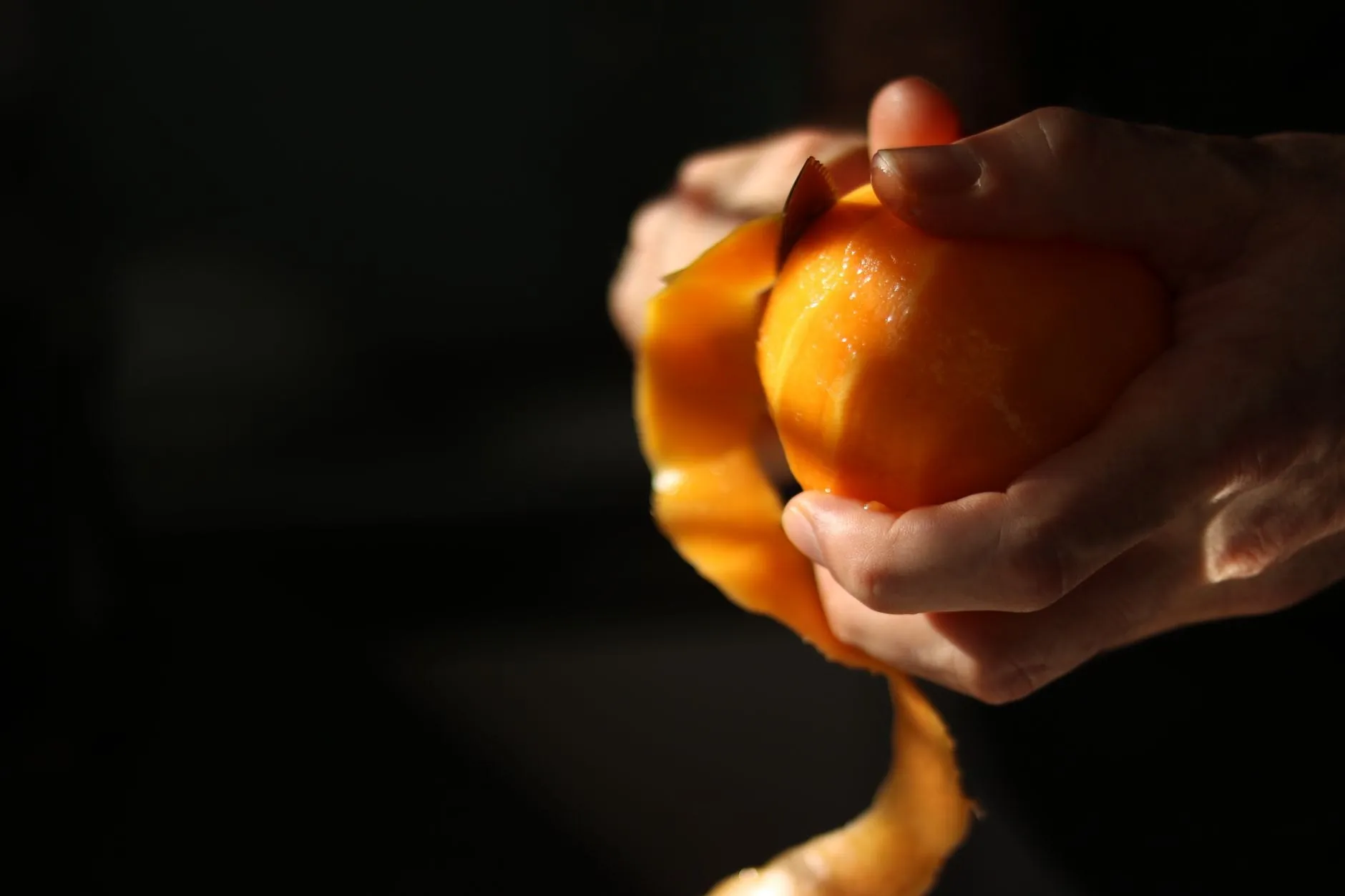
Bergamot
Calabria, cold-pressed peel
-
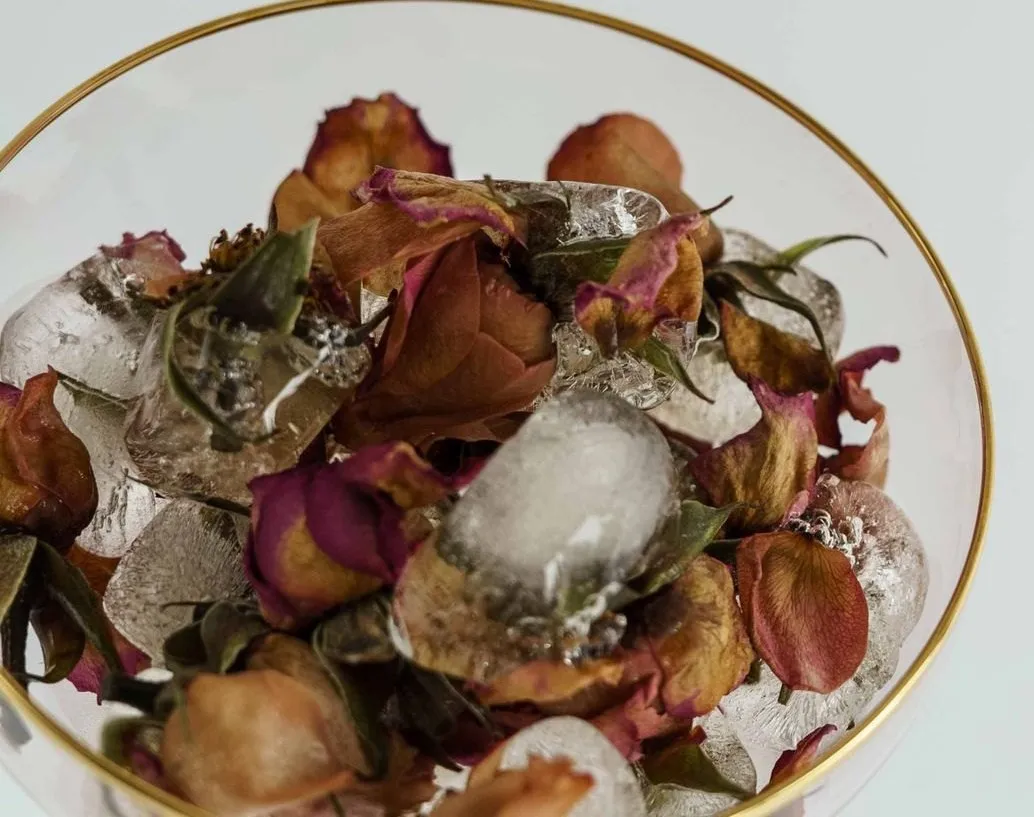
Rose absolute
Isparta, absolute
-
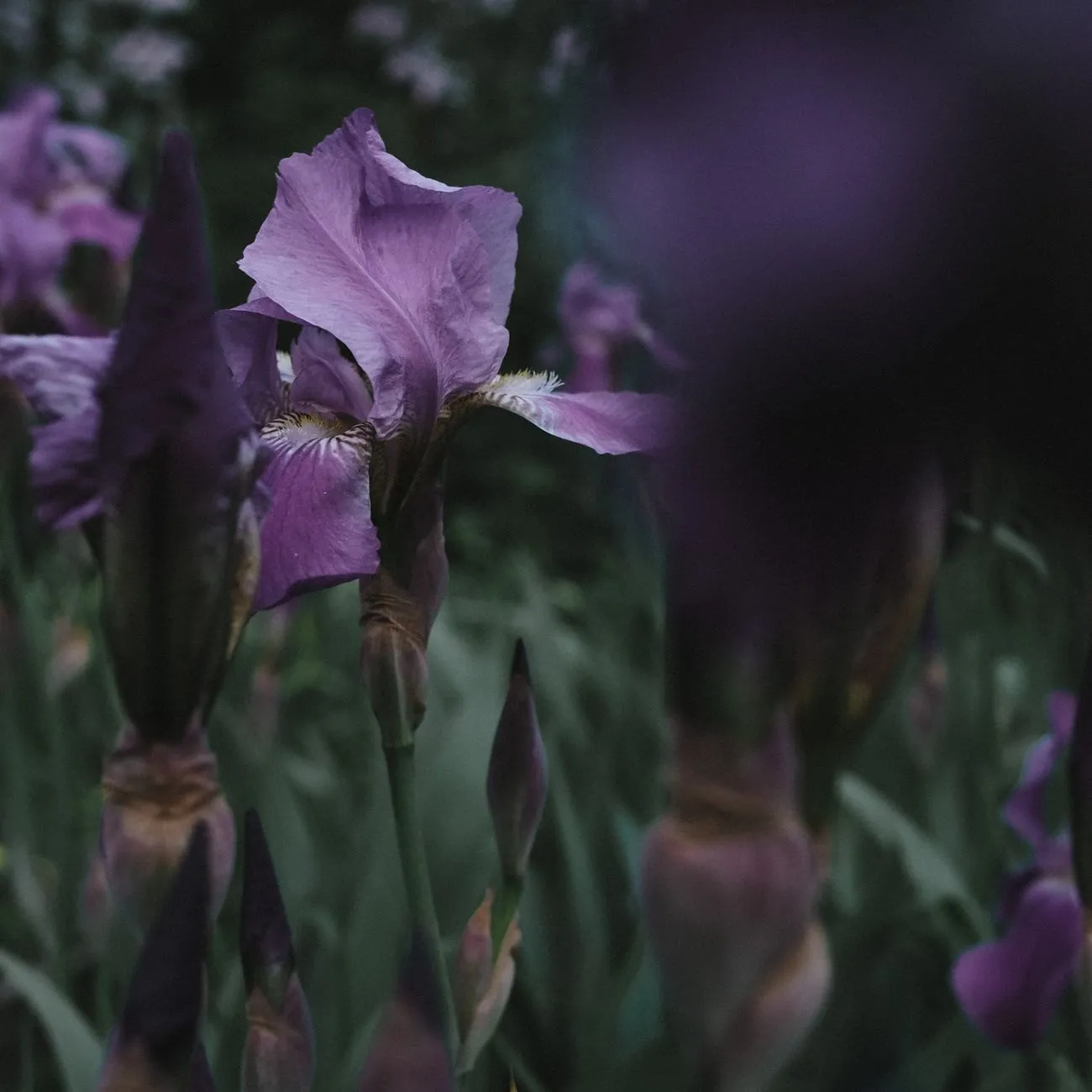
Orris
Tuscany, rhizome aged six years
-
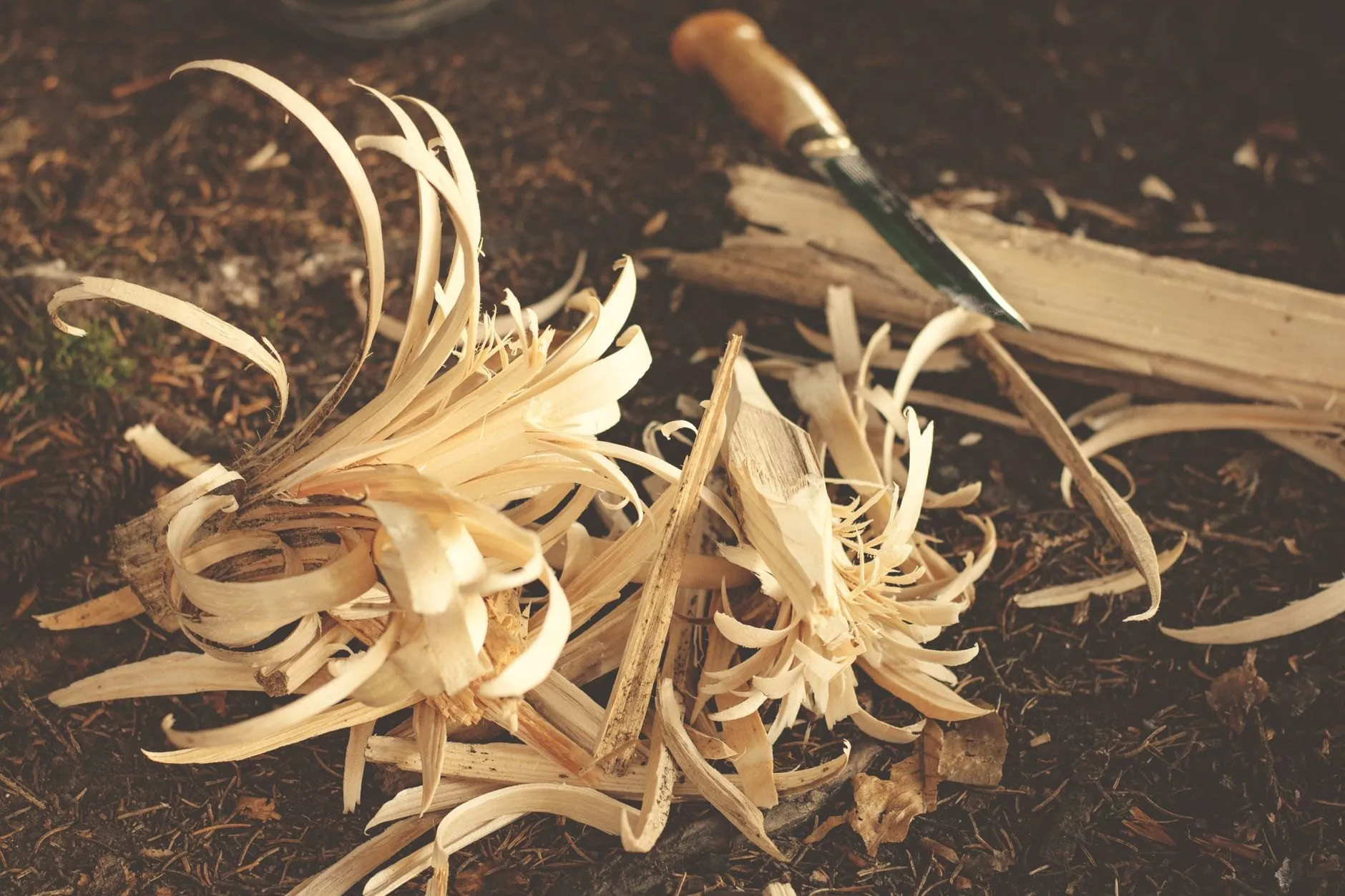
Sandalwood
Western Australia, plantation heartwood
-
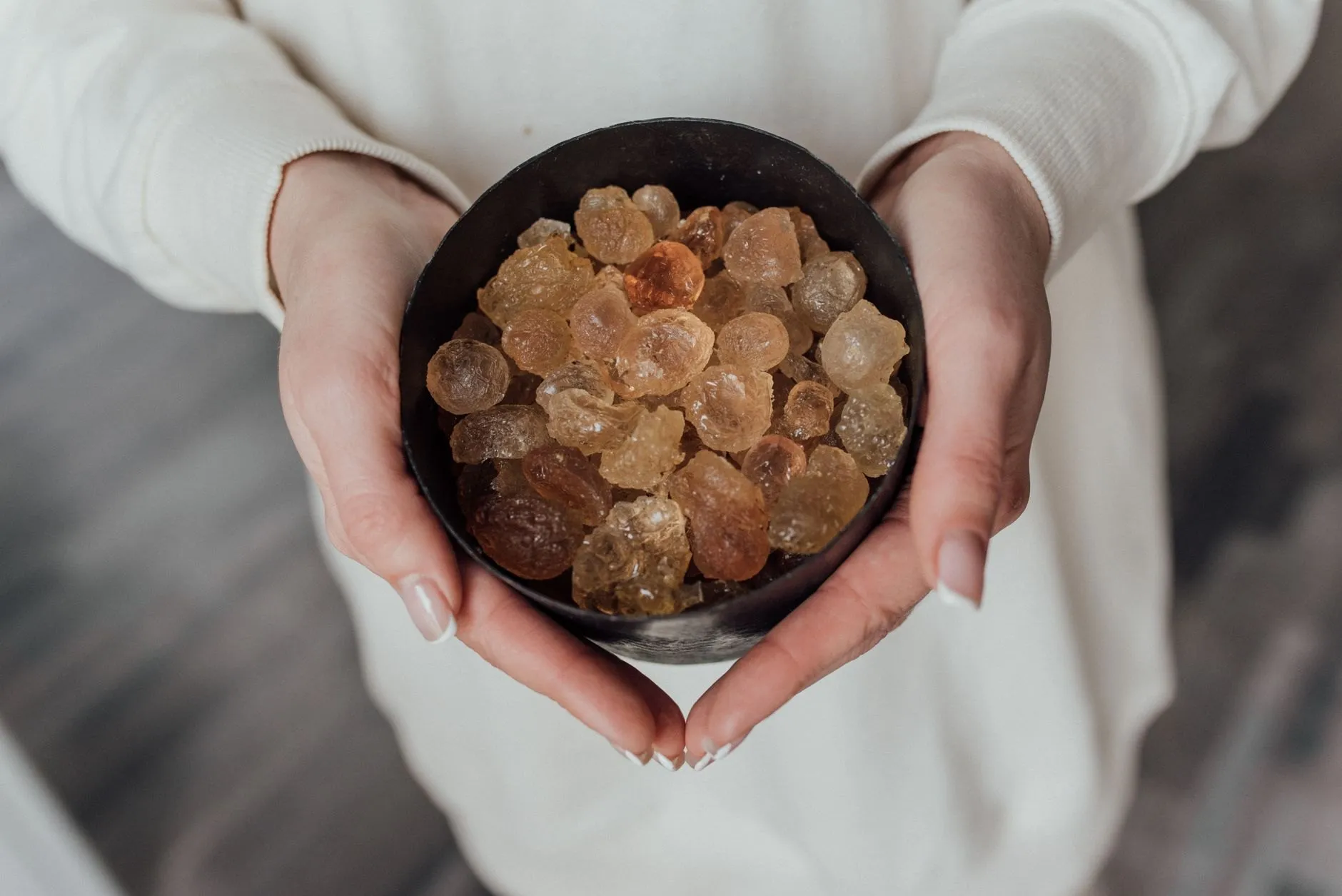
Frankincense
Dhofar, hand-sorted tears
The full list
Where each one comes from, and what it does
-
Bergamot
CitrusCalabria, cold-pressed peel
Sharp and green, and gone within the hour. Every fragrance we make opens on it.
Used in: Orris & Ash, The Long Afternoon
-
Black pepper
SpiceKerala, steam-distilled berry
Dry heat at the opening. It reads as lift rather than spice.
Used in: Orris & Ash, Vyse Street
-
Neroli
FlowerNabeul, distilled blossom
The longest-lasting of our top notes. It carries the opening into the heart.
Used in: The Long Afternoon
-
Lavender
HerbHaute-Provence, flowering tops
Camphor in the morning, soft by the afternoon.
Used in: The Long Afternoon, Vyse Street
-
Jasmine
FlowerGrasse, absolute
Rich and a little animal underneath. We use it at 1% and never above.
Used in: The Long Afternoon
-
Rose absolute
FlowerIsparta, absolute
Three thousand flowers to the gram, and the most expensive line in any formula.
Used in: Orris & Ash
-
Orris
RootTuscany, rhizome aged six years
Powdery, cool and violet-like. It is why the house is named for it.
Used in: Orris & Ash
-
Oakmoss
MossBalkans, IFRA-compliant absolute
Inky, damp and green. The colour of this website comes from it.
Used in: Orris & Ash, Vyse Street
-
Sandalwood
WoodWestern Australia, plantation heartwood
Milky and slow. Still on the paper on the third day.
Used in: The Long Afternoon, Vyse Street
-
Hay absolute
GrassLoire, cut-grass absolute
Tobacco, honey and the inside of a barn in August.
Used in: The Long Afternoon
-
Frankincense
ResinDhofar, hand-sorted tears
Bright and smoky at once, and the last thing standing on every blotter.
Used in: Orris & Ash, Vyse Street, Blotter Twelve
Photographs show each material in general, not the individual lot we buy. Every formula is IFRA-compliant; oakmoss is used as the restricted, low-atranol fraction.
Smell them on skin.
All eleven materials are in the discovery set, spread across four fragrances.